


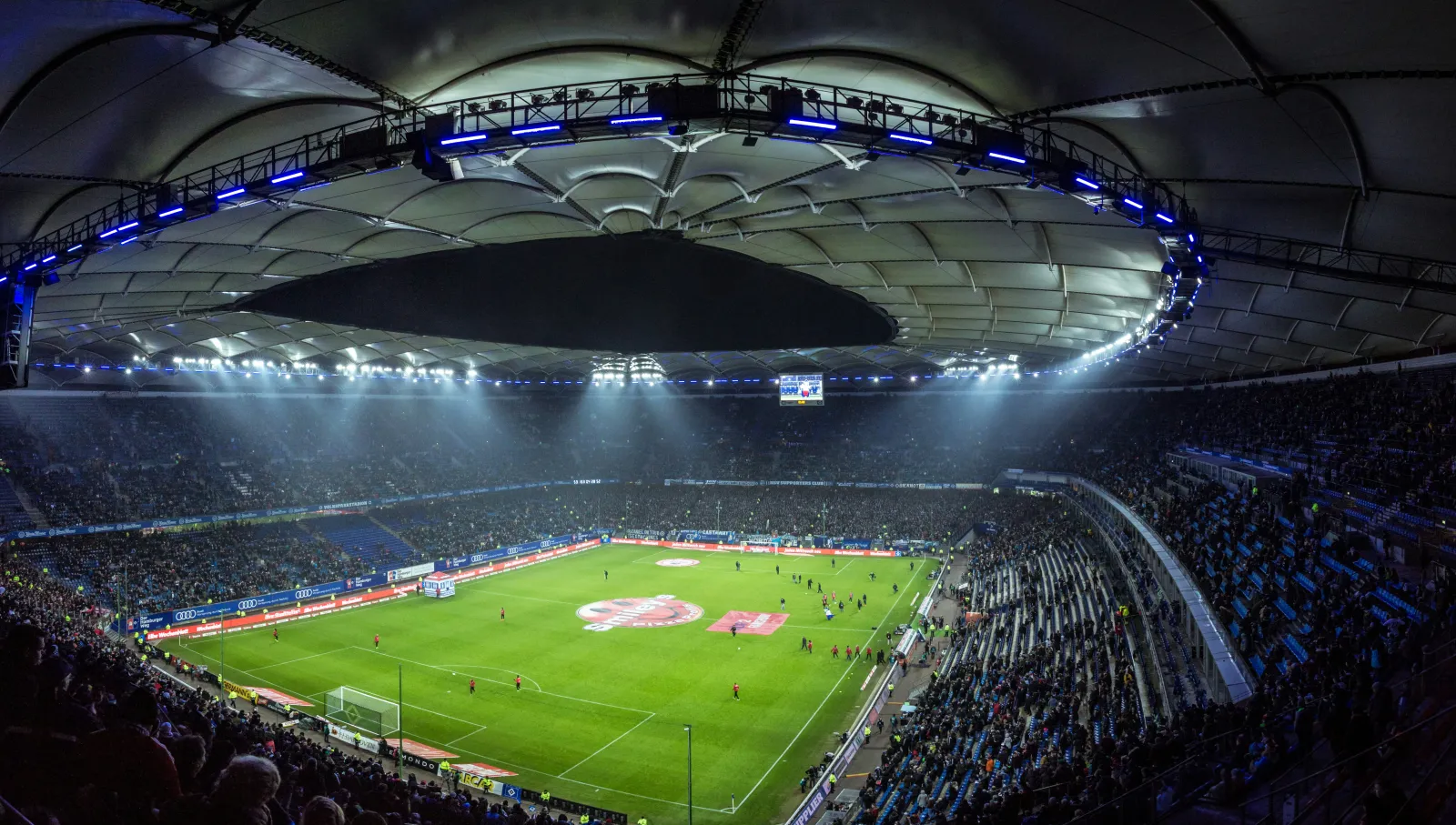

Long before the official kickoff, the World Cup is already reshaping the cities that host it. The FIFA World Cup is not just a global sporting event; it is a powerful urban, economic, and cultural catalyst. Months, and often years, before the first match is played, host cities begin entering a phase of transformation.
Accelerated urban transformation
One of the earliest and most visible impacts of the World Cup is seen in host city infrastructure. Transportation systems are upgraded, neighborhoods are renovated, fan zones are created, and sports facilities are improved. Preparing for the tournament acts as a fast-track for major urban development projects. For the 2026 World Cup, hosted by the United States, Canada, and Mexico, cities such as New York, Los Angeles, Miami, Dallas, Toronto, and Mexico City are making significant investments well ahead of the opening match.
These changes go far beyond stadiums. Mobility, safety, accessibility, and public spaces are all reimagined as cities ready to welcome millions of visitors from around the world.
An economic impact that starts before the tournament
The World Cup generates major economic benefits long before the competition begins. Hospitality, food and beverage, tourism, transportation, and local retail sectors start feeling the impact early as fans, teams, media, and partners arrive. Hotel bookings increase, temporary jobs are created, and local business activity intensifies.
Multiple studies from previous events show that the economic effects of the FIFA World Cup can be felt years in advance, positioning host cities as major international hubs even before kickoff.
The rapid rise of soccer culture
Even before the first ball is kicked, the World Cup transforms how residents engage with soccer. Media coverage grows, conversations multiply, and football becomes increasingly present in everyday life. Youth registrations rise, ticket demand increases, and new ways of playing and experiencing the game emerge.
In the United States in particular, the 2026 World Cup is acting as a cultural turning point. Indoor soccer, pick-up games, and soccer field rentals are experiencing strong growth, as people want more than just to watch the sport — they want to play it and live it.
Cities become social gathering hubs
The World Cup also reshapes urban spaces into social gathering points. Bars, fan zones, soccer fields, and hybrid venues become central places to meet, celebrate, and connect. Soccer becomes a shared language, bringing people together well before the first official match.
This social shift is one of the most lasting impacts of the World Cup. Host cities develop a new identity driven by collective energy and a growing sense of community around the game.
The World Cup as a driver of new habits
The FIFA World Cup is not a one-time event; it creates long-term behavioral change. Watching matches together, playing more regularly, attending soccer-related events, and renting fields to experience the game differently all become part of everyday life.
As World Cup 2026 approaches, its influence is already visible across host cities, proving that the tournament’s true transformation begins long before the opening whistle.